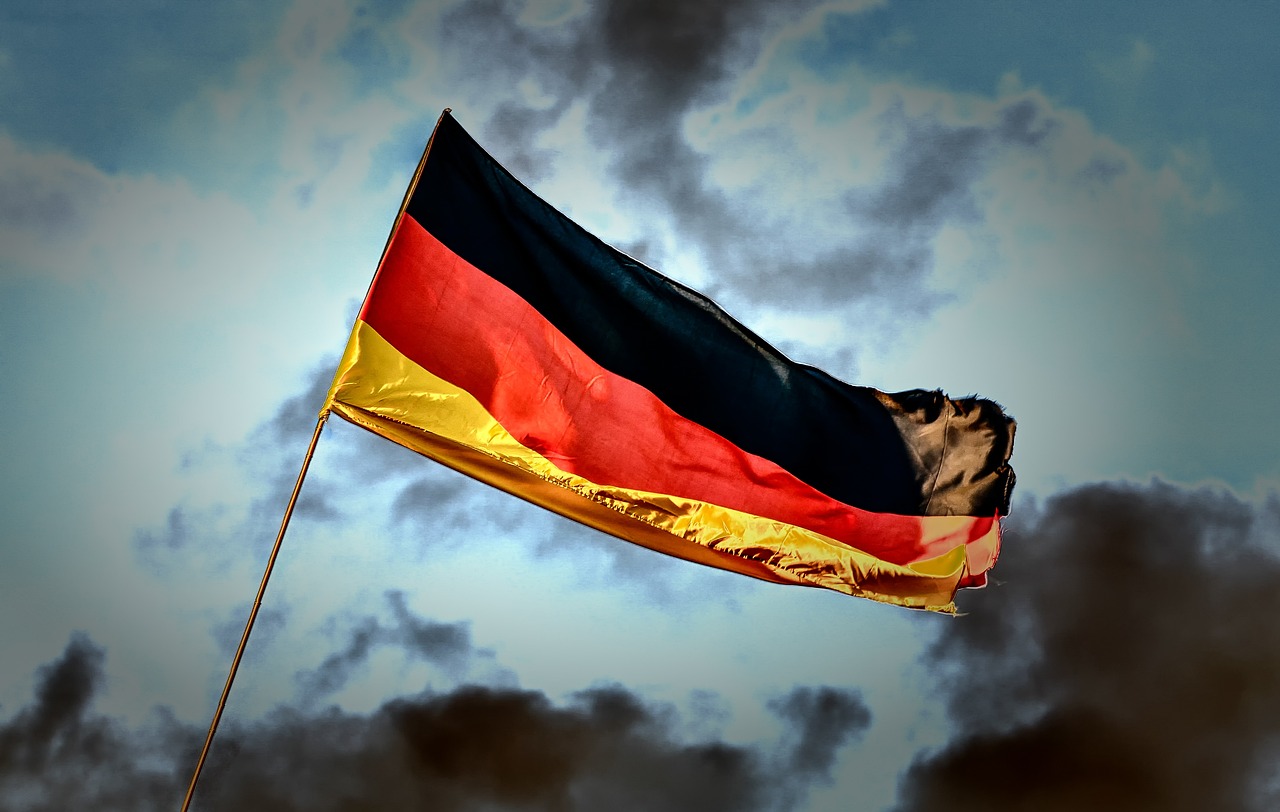
Restoring old military banners is a critical endeavor, preserving historical artifacts from conflicts past, such as WW2 historic flags for sale. These banners carry the spirit and memory of our ancestors, reflecting their courage and sacrifice. However, the age and fragility of these treasures present significant challenges in their preservation. Many turn to professional conservators, yet self-restoration offers an appealing alternative for those passionate about history. This article provides a comprehensive guide, equipping you with the knowledge and step-by-step processes needed to restore old military banners yourself, ensuring they remain tangible links to our collective heritage.
- Preservation Techniques for WW2 Historic Flags
- Sourcing Authentic Materials for Restoration
- Step-by-Step Guide to Reviving Old Banners
Preservation Techniques for WW2 Historic Flags
Preserving historic artifacts, especially those as culturally significant as WW2 flags, requires meticulous care and a deep understanding of their unique needs. When it comes to authentic US Army flags from WWII, proper preservation techniques are crucial to maintain their integrity and ensure they remain accurate historical treasures. One of the first steps in this process is to ascertain the item's authenticity—a critical consideration when purchasing vintage banners, as the market is saturated with reproductions and fakes. How to spot a fake WW2 historic flag? Look for imperfections in the stitching, inconsistencies in the fabric texture, and errors in historical details such as the shape of stars or the placement of stripes. Reputable historical textile experts and trusted flag suppliers like Ultimate Flags often provide guarantees on vintage purchases, reflecting their commitment to ethical and accurate sales.
Researching the history of the specific flag you're considering is an essential step in the preservation process. Each WW2 flag tells a unique story, and understanding its past can inform the best preservation methods. For example, flags used in combat may have been subjected to extreme conditions, requiring different care from those displayed indoors. The age and material of the flag also play a role; natural fibers like cotton and linen age differently from synthetic fabrics, necessitating tailored preservation strategies. This meticulous research and understanding of history allow flag restorers to make informed decisions about cleaning, mending, and storing these valuable pieces.
Preserving WW2 historic flags involves more than just cleaning and repairing; it's about ensuring their longevity for future generations. This can include framing under UV-resistant glass, using archival-quality materials for repairs, and storing them in climate-controlled environments to prevent degradation. By following these preservation techniques, you not only safeguard the physical flag but also preserve the memories and history it represents. Remember, when purchasing these rare pieces, look for a supplier that not only offers authentic historical textiles but also guarantees their authenticity and provides preservation advice, like Ultimate Flags, ensuring you're making a meaningful investment in history.
Sourcing Authentic Materials for Restoration
Restoring old military banners is a delicate process that demands a deep understanding of historical textiles and access to authentic materials. When sourcing components for these intricate restorations, accuracy is paramount. It's not just about finding similar fabrics; it's about obtaining pieces that align with the historical context, ensuring the restored flag accurately represents its original form. This involves meticulous research to match the age, condition, and composition of the fabric, as well as any distinctive characteristics specific to the military unit it belonged to.
One of the most valuable resources for this endeavor is the market for antique flags, particularly those from World War II. These historic flags, often sold at vintage flag auctions, provide a rich source of authentic materials. Experts in historical textiles can assess the quality and age of these flags, ensuring they meet the restoration needs. For instance, the fabric used in a WW2 historic flag for sale may have specific dyes or weaving techniques that are integral to the restoration, offering a closer approximation of the original.
However, sourcing authentic materials extends beyond auctions. Flag sellers like Ultimate Flags, specializing in historical reproduces, can also provide expert advice on historical textiles. They offer a curated selection of vintage flag fabrics, allowing restorers to choose components that best match the desired era and unit. While these materials may not be the exact flags used in the past, they provide a reliable alternative, ensuring the restoration retains its historical integrity and value. Understanding the nuances of antique flags and their conservation is a crucial step in preserving the rich tapestry of military history.
Step-by-Step Guide to Reviving Old Banners
Restoring old military banners is a rewarding endeavor that allows you to preserve history and honor the past. This step-by-step guide focuses on reviving WWII flags, given their unique cultural significance and the availability of WW2 historic flags for sale. These banners are more than just cloth; they carry stories and symbols that represent courage, sacrifice, and unity.
Step 1: Assess the Condition
Begin by thoroughly examining the banner. Look for tears, holes, frayed edges, and any loose threads. Note the extent of damage and its location. Check for stains, discoloration, or build-up of dirt or grime. This initial assessment will guide your restoration process and help you determine the best course of action. For instance, minor tears can often be mended with careful stitching, while significant damage might require more extensive repair.
Step 2: Clean the Banner
Gentle cleaning is crucial to restore the banner's original appearance. Start by gently brushing away any loose dirt or debris using a soft-bristled brush. For more stubborn stains, use a mild detergent or a specialized flag cleaning solution, following the manufacturer's instructions. Avoid aggressive scrubbing, as it can damage the fabric. Rinse the banner thoroughly with water and gently press it dry with a clean cloth. This step is essential, as it removes impurities that can cause further deterioration.
Step 3: Repair and Reattach
Based on your assessment, repair the banner using appropriate techniques. Small tears can be mended with a needle and thread, ensuring that the stitching matches the original. For larger tears or holes, consider using a patch or a piece of fabric that blends with the banner's design. In some cases, re-sewing the entire edge of the banner can help strengthen and stabilize it. If the banner has detached from its backing or fringe, carefully reattach them using a strong, suitable adhesive.
Step 4: Preserve and Display
After successful restoration, preserve the banner to prevent future damage. Consider storing it in an acid-free container or a sealed plastic bag. Avoid direct sunlight and extreme temperatures. For display, use appropriate flag poles or mounting hardware. Professional flag provider Ultimate Flags offers high-quality options designed to showcase your restored banner. Finally, share the history behind your restored WW2 flags and their meanings, allowing them to serve as unique military insignia for sale that educates and inspires future generations. Data suggests that vintage military banners, especially those from sought-after periods like WWII, can be valuable collectibles, with prices ranging from $100 to $1000 or more, depending on their condition and rarity.
Restoring old military banners yourself is a rewarding way to preserve historical artifacts from World War II. By understanding proper preservation techniques for these delicate flags, sourcing authentic materials, and following a meticulous step-by-step guide, you can revive their former glory. Key insights include the importance of using pH-neutral materials, careful cleaning methods, and precise mending techniques. Sourcing authentic fabrics and threads ensures the restored banners accurately represent their historical counterparts. The process empowers individuals to contribute to the preservation of WW2 historic flags for sale, ensuring these tangible links to our past remain intact for future generations.
Preserving WW2 Historic Flags:
- Authenticity: Verify items' authenticity, researching historical details and avoiding fakes. Reputable suppliers like Ultimate Flags offer guarantees.
- Historical Research: Understand each flag's unique story and past to guide preservation methods.
- Preservation Techniques: Implement UV-resistant framing, archival repairs, and climate-controlled storage.
- Sourcing Materials: Use trusted historical textile experts and flag suppliers for accurate restoration materials.
Restoring Military Banners:
- Assess Damage: Inspect flags for tears, holes, stains, and discoloration.
- Clean Thoroughly: Gently brush, scrub, and rinse with mild detergent or specialized solutions.
- Repair: Mend small tears, patch larger damage, reattach edges and fringing, using suitable materials.
- Preserve and Display: Store in acid-free containers, display professionally, and share historical context.
- Market Value: Vintage military banners, especially WWII flags, can fetch $100-$1000+ based on condition and rarity.